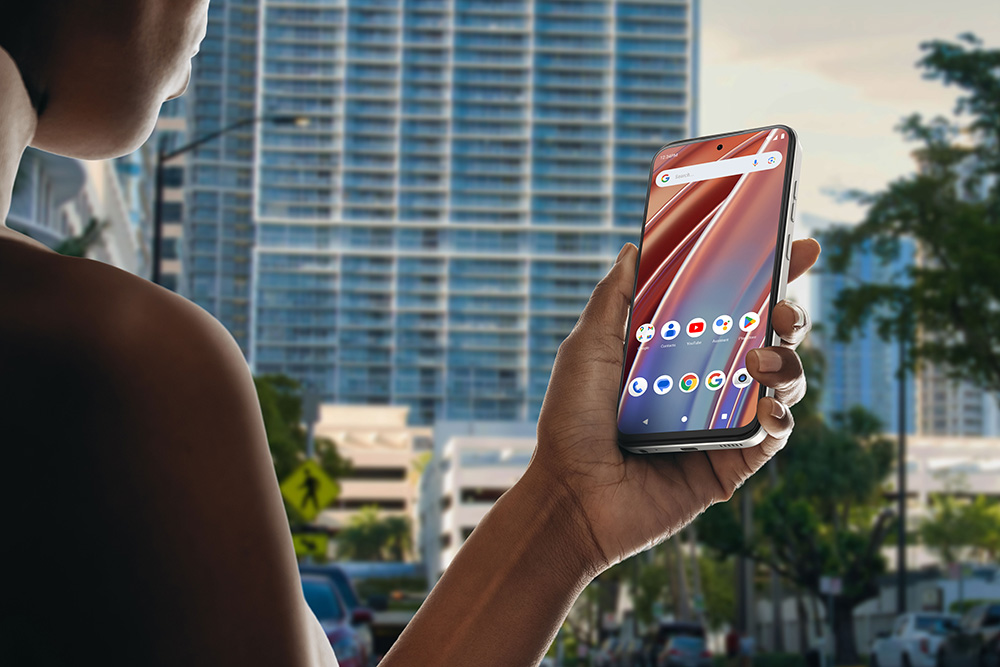
So, which one is right for you?
The answer depends on what you value most. Whether you're upgrading your current phone or buying your first smartphone, understanding the differences can help you make the right choice.
Here's a closer look at what separates iPhone and Android in 2026.
-
More Choices at Every Price
One of Android's biggest advantages is variety.
While Apple offers a limited lineup of iPhones, Android gives you hundreds of options from brands around the world. Whether you're looking for a simple phone under $100, a feature-packed device under $200, or a premium flagship, there's an Android phone for nearly every budget.
That flexibility makes Android a popular choice for first-time smartphone users, families, students, and anyone who wants more value for their money.
-
Better Value Without Sacrificing Everyday Features
A higher price doesn't always mean a better experience.
Many Android smartphones now include features that were once reserved for premium devices, including:
- Large edge-to-edge displays
- Smooth 120Hz refresh rates
- High-resolution cameras
- Long-lasting batteries
- Plenty of storage for photos, apps, and videos
- Fast charging
For many users, these features are more important than having the newest flagship phone.
-
Android Lets You Make Your Phone Your Own
If you enjoy personalizing your technology, Android offers far more flexibility.
You can:
- Customize your home screen
- Use different icon packs and widgets
- Choose your preferred keyboard
- Set your favorite browser or messaging app as the default
- Organize your phone the way you like
iPhone has added more customization over the years, but Android still gives users greater control over how their device looks and works.
-
AI Is Becoming a Bigger Part of Everyday Life
Artificial intelligence is changing how we use our smartphones.
Many Android devices now offer helpful AI features such as:
- Live language translationn
- Smart photo editing
- AI writing assistance
- Voice-powered search
- Circle to Search
- Automatic note and message summaries
Apple has also expanded its AI capabilities, making both platforms smarter than ever before. Which experience you prefer often comes down to personal preference and the specific phone you choose.
-
Cameras That Fit Real Life
Years ago, camera quality was one of Apple's biggest advantages.
Today, both Android and iPhone offer excellent cameras.
Many Android phones now include multiple lenses, night photography, portrait mode, AI photo enhancements, and high-resolution sensors that produce impressive results for everyday photography.
Whether you're capturing family moments, vacations, pets, or social media content, both platforms deliver great photos for most users.
-
Battery Life That Keeps Up with Your Day
Nobody likes searching for a charger halfway through the day.
Battery life has improved dramatically across both Android and iPhone.
Many Android phones feature large batteries designed to easily last from morning until bedtime, while fast charging helps get you back up and running quickly when you need extra power.
For most people, battery life is no longer something to worry about.
-
More Storage for Photos, Videos, and Apps
As our phones become our cameras, wallets, entertainment centers, and work tools, storage matters more than ever.
Many Android phones now include 128GB, 256GB or 512GB of storage as standard, giving users plenty of room for photos, videos, music, and apps without constantly deleting files.
Cloud storage services like Google Drive, OneDrive, and Dropbox also make it easy to back up important memories.
-
Security and Privacy Continue to Improve
Both Apple and Google invest heavily in protecting user privacy.
Modern smartphones now offer:
- Fingerprint or facial recognition
- App permission controls
- Security updates
- Built-in malware protection
- Privacy dashboards
Both platforms provide strong security, and keeping your device updated remains one of the best ways to protect your information.
-
An Ecosystem That Fits Your Lifestyle
Apple's ecosystem works especially well if you already own products like a MacBook, Apple Watch, or iPad.
Android offers flexibility with a wide variety of devices from different manufacturers and works seamlessly with Google services, Windows PCs, Chromebooks, and many smart home products.
Neither approach is better for everyone—it simply depends on the devices you already use.
-
Which Smartphone Is Right for You?
Choose an iPhone if you:
- Already own Apple products
- Prefer a simple, consistent experience
- Want tight integration across Apple's ecosystem
Choose an Android phone if you:
- Want more choices
- Prefer greater customization
- Are looking for excellent value
- Want more flexibility in features and price
Quick Comparison
Frequently Asked Questions
Is Android Better than iPhone?
Neither is objectively better. The best smartphone depends on your budget, preferences, and the features that matter most to you.
Do Android phones last as long as iPhones?
Many modern Android phones are designed to provide years of reliable performance with regular software updates and proper care.
Which has the better camera?
Both platforms produce excellent photos. Camera performance often depends more on the individual phone than the operating system.
Is switching from iPhone to Android difficult?
Not anymore. Google and many Android manufacturers provide simple tools that transfer your contacts, photos, messages, and other important data in just a few steps.
Looking for an Affordable Android Smartphone?
If Android sounds like the right fit, you don't have to spend flagship prices to get a great smartphone.
BLU offers a wide selection of unlocked Android smartphones designed for everyday life. From large, vibrant displays and long-lasting batteries to generous storage and dependable cameras, there's a BLU phone for students, families, first-time smartphone owners, and anyone looking for outstanding value.
Explore our latest smartphones on Amazon and discover why millions of users have chosen BLU for reliable performance at an affordable price.